Marine berth
Coastal product tankers discharge straight into segregated storage. There's no intermediate transfer and no shared line.
- Depth (LAT)
- 11.4 m
- Vessel size
- Up to 45,000 DWT
- Scheduling
- With the regional harbourmaster
Marine berth, rail siding and six road loading bays wrapped around one central tank farm, run from one control room that never closes.
Select any part of the site to see how product moves through it. Every inbound and outbound line runs through the same tank farm and the same control room.
Coastal product tankers discharge straight into segregated storage. There's no intermediate transfer and no shared line.
Each product group has its own tanks and pipework, so your product never shares a line with anyone else's.
Connected directly to the national standard-gauge network, it gives inland distribution points a rail option with no road-to-rail transfer anywhere else.
Six bays sit closest to the site exit, so tankers turn around fast and never cross the tank farm.
Tank gauging, load-out scheduling and receival coordination for berth, rail and road all run from here. That's how a marine receival can move to road tankers within hours rather than days.
Inbound cargo arrives by berth, rail or road and is sampled before it enters storage.
Product is allocated to your segregated tank line and gauged continuously by the control room.
Load-outs are planned across all three transport modes from one desk, not three.
Product leaves by road, rail or marine with ADG paperwork and live tracking on every road load.
Each product is shown in its trading unit. The bar shows the typical ullage, meaning the space usually free, as a share of total capacity. Live figures change daily with throughput, so we confirm them before you commit.
Full tank schedule
Coastal tankers up to 45,000 DWT, discharging directly into segregated storage.

620 m on the standard-gauge network, for bulk movements to inland distribution points.
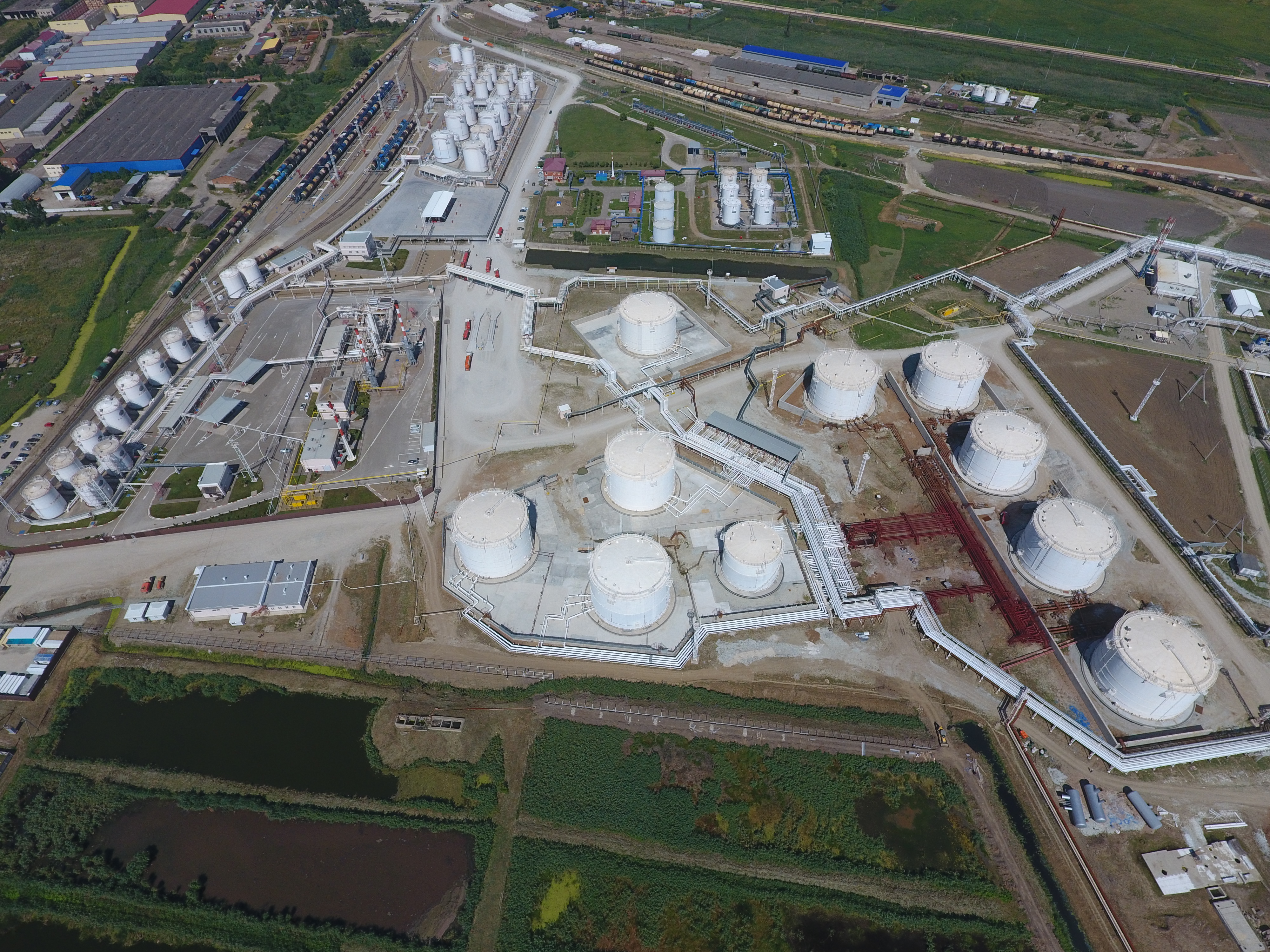
Floating-roof, fixed-roof, heated and pressurised tanks, each product on its own pipework.
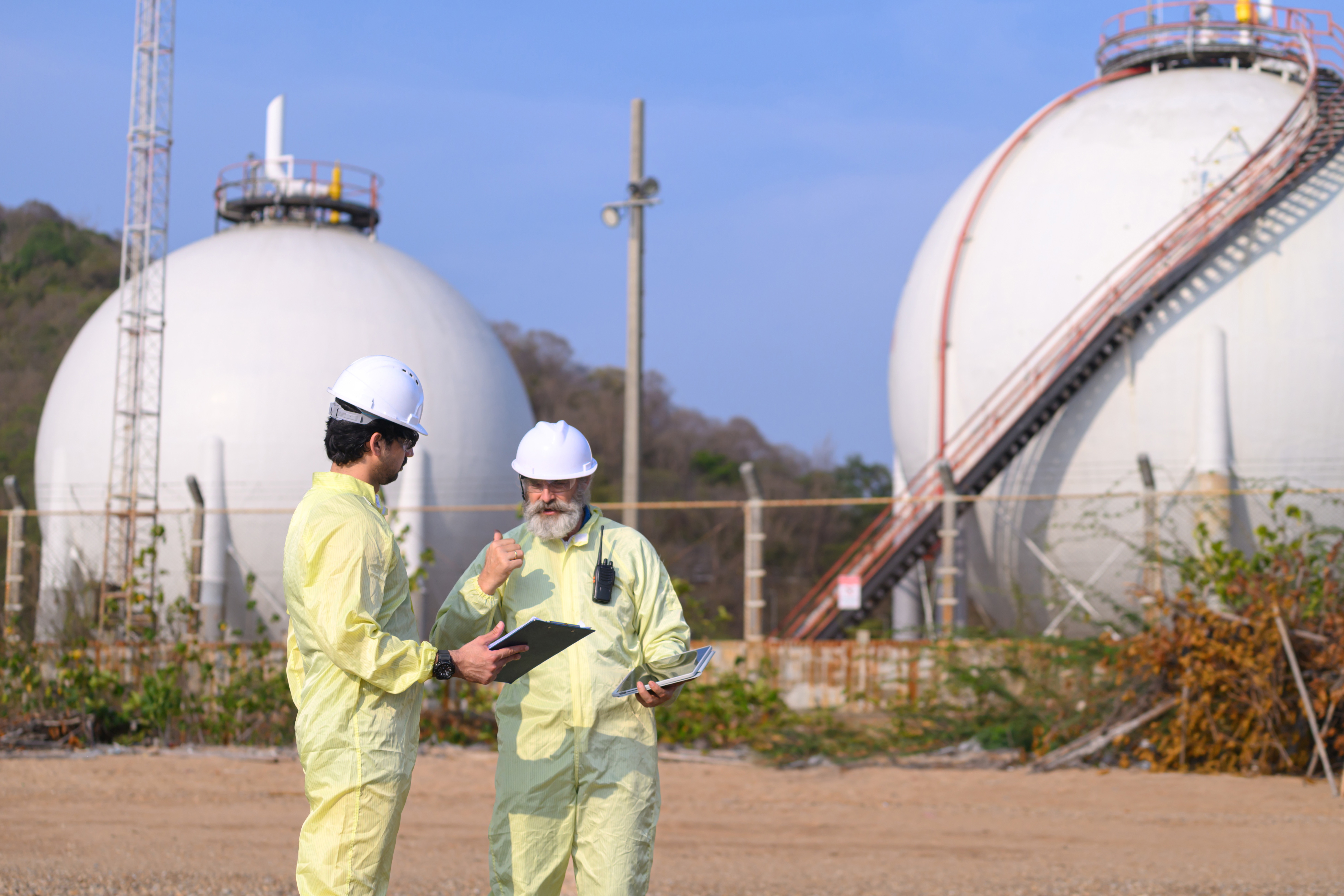
Reportable spills in the trailing 24 months
Bund containment on every tank
Groundwater monitoring bores
Staffed incident response team
| Terminal location | Victorian coast, deep-water berth |
| Head office | Geodetic Rd, Horsham VIC 3400 |
| Site area | 34 hectares |
| Total tank capacity | 153,000 MT across 27 tanks |
| Product groups | 7, each fully segregated |
| Berth depth (LAT) | 11.4 m, coastal tankers up to 45,000 DWT |
| Rail siding | 620 m, standard gauge, 12-wagon capacity |
| Road loading bays | 6 bays, top and bottom loading |
| Vapour recovery | Stage-two unit on truck loading |
| Operating hours | 24 hours, 7 days, control room always staffed |
| Site licensing | EPA Works Approval & Licence |
Walk the berth, the tank farm and the control room with the people who run them.