Vapour recovery, double bunding, groundwater monitoring and a spill-response standard built to exceed our EPA licence conditions — not just meet them.
Internal floating roofs on all ULP and jet fuel tanks reduce evaporative loss at the source. A stage-two vapour recovery unit captures displaced vapour during truck loading and returns it to the process stream instead of venting it. Combined, these systems keep the terminal's fugitive VOC emissions well inside licence limits — and they reduce the product we lose to evaporation, which matters as much to our numbers as to the atmosphere.
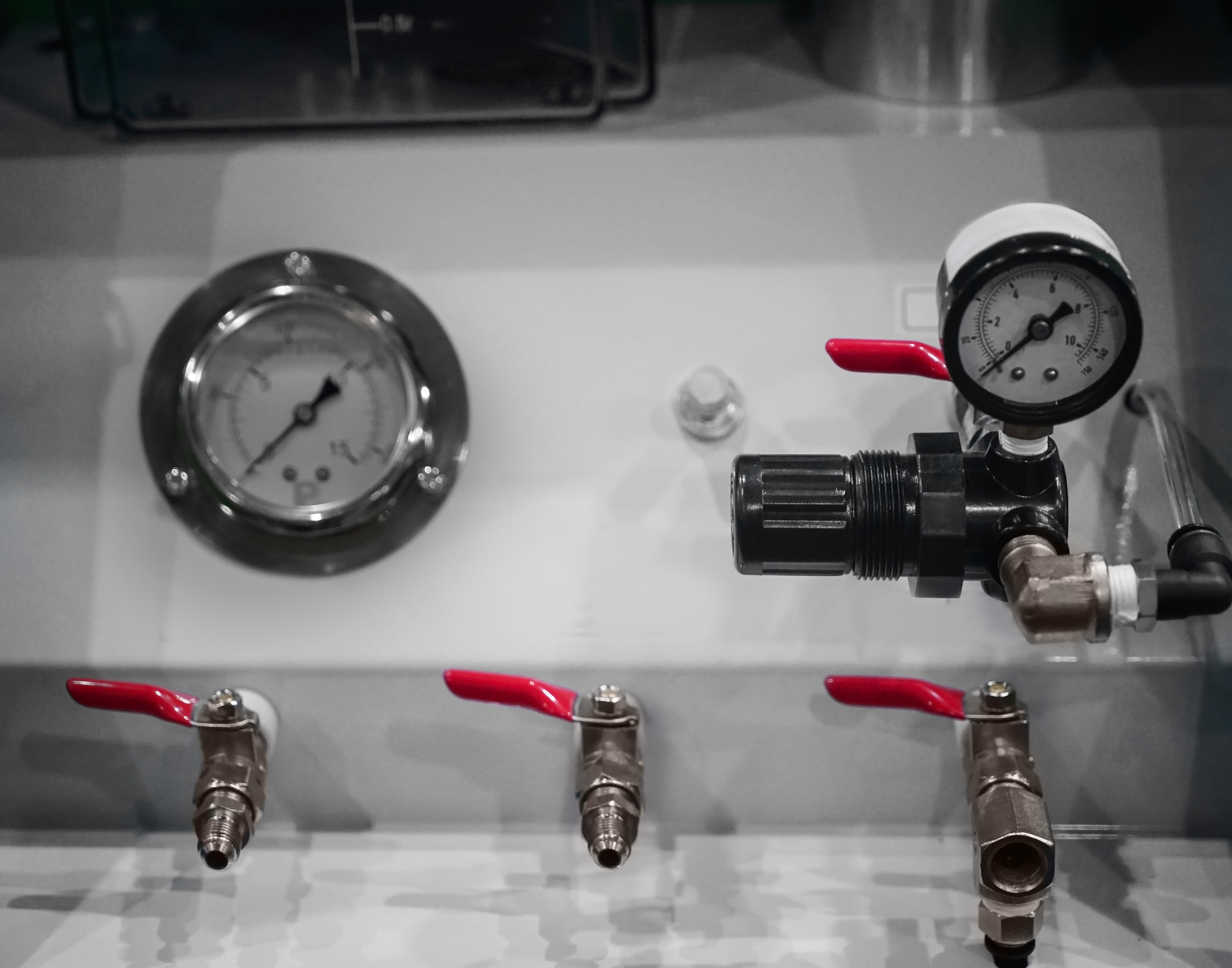
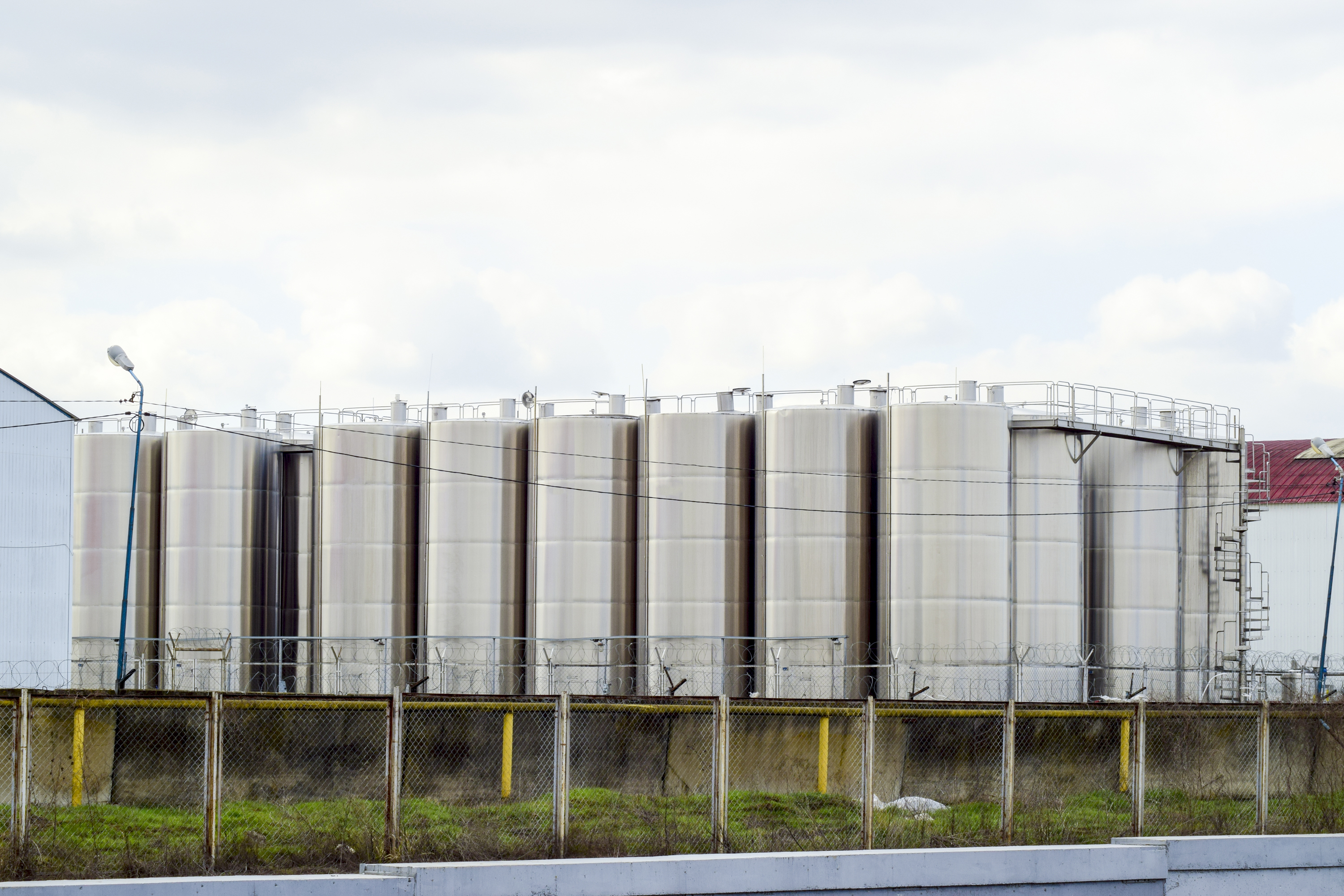
Secondary containment walls around every storage tank hold more than the tank's full volume, so a single-tank failure can't reach the ground or a waterway. Twelve groundwater monitoring bores around the site perimeter are tested quarterly by an independent laboratory, with results filed with the EPA regardless of outcome.
Our spill-response team trains monthly on containment drills and holds dedicated recovery equipment on site — foam trailers, absorbent booms and vacuum recovery units — rather than relying on an external contractor's response time.
The terminal sits on a working section of coastline shared with fishing and recreational users. We publish quarterly water quality results from our monitoring program to the local council and meet with community representatives twice yearly to walk through any incidents, near-misses and planned works.
Independent lab results shared with council and available on request.
Biannual briefings covering incidents, near-misses and upcoming works.